Capital Markets & Governance

Three Kinds of Failed Boards: Warnings for Founders from Build

Share this article
LINEFacebook

Book excerpts and Robin's commentary

Storage information

Bookmarks and reading positions are stored in this browser. Manage and back them up in My Reading.

Collected in Robin Shen’s Field Notes · Content type and attribution are shown above

English translation of the Chinese post originally published 2023-02-14. Translated 2026-10-25 with AI assistance. Historical figures and claims have not been updated or independently verified. 中文原文

Reading guide

An excerpt from Tony Fadell's Build identifies three kinds of board failure. An indifferent board sees obvious CEO problems but avoids solving them because that would create too much work. A dictatorial board intervenes and controls so much that the CEO becomes like a chief operating officer, responsible only for execution. An inexperienced board does not understand the business or ask incisive questions; its companies are always short of cash, and it blames the market. Yet companies still need boards even when they are imperfect. Even the best CEO cannot act unilaterally: everyone needs accountability and a pressure-release valve. A CEO who gets this right can shape the board; the board under Jobs differed from the one under Cook. Robin recommends seeking directors with expertise you can consult and proactively asking for guidance suited to each stage.

Key points

  • Indifferent boards see problems but do not act: “It is not that bad, right?”
  • Dictatorial boards exert so much control that the CEO becomes a COO responsible only for execution.
  • Inexperienced boards cannot ask incisive questions, and their companies are chronically short of cash.
  • Even imperfect boards are necessary: CEOs need accountability and dissent, rather than acting unilaterally.
  • Robin recommends recruiting expert directors you can consult for guidance appropriate to each stage.
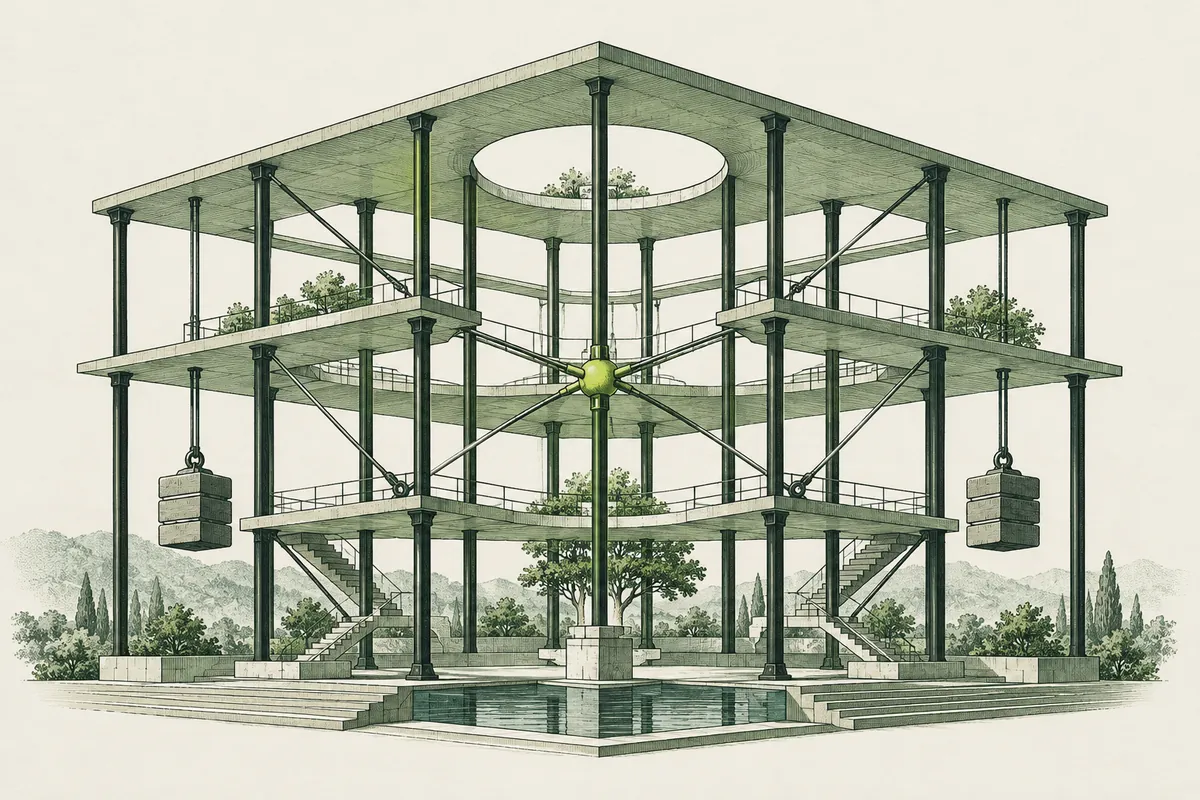
Columns and beams in an open building are connected by central rods and balanced weights, suggesting structure and checks in governance.
Capital markets & governanceThematic illustration · AI generated

Full text — English translation

Have you assembled an effective board of directors? Boards can fail in countless ways, but the failures can be grouped into three categories. 1. The indifferent board. An indifferent board emerges when most members act as though the company's problems are not their concern. Sometimes they see obvious problems with the CEO but do not try to solve them. Solving them means dealing with a mountain of work: preparing paperwork, managing emotional upheaval, finding a successor, conducting interviews, handling difficult issues, making an internal transition, then dealing with the media and a cultural crisis. So they say, “It is not that bad, right?” Because no one wants to step forward, everyone puts up with the status quo. 2. The dictatorial board. The opposite of an indifferent board, a dictatorial board intervenes and controls too much. It holds the reins so tightly that the CEO has no freedom to lead independently. Often it includes one founder, or two or three, who still wants to control the company. The CEO therefore ends up behaving more like a chief operating officer: taking orders and meeting demands. They keep the train running but have little say in its direction. 3. The inexperienced board. This consists of people who do not understand the business. They do not know what a good board or CEO should look like, cannot ask the CEO incisive questions, and are even less able to help solve problems. Such boards are often too timid to act decisively. Investors fear that challenging the CEO will cost them the opportunity to invest in the next round, or that a reputation for firing founders will make startups unwilling to work with them. Companies overseen by inexperienced boards are typically chronically short of cash. They never meet quarterly targets and always blame the market rather than the CEO or themselves. They do not know how to bring in new talent and expertise. They only nod along, eventually leading the business to collapse. In fact, even an imperfect board—too forceful, not forceful enough, or prone to bad decisions—is an essential part of any company's infrastructure. Companies need boards. ---- You need a good board. Even the world's most remarkable CEO needs a board. What the CEO needs is not the meeting itself, but advice from intelligent, committed, experienced people. Even a large internal project should have a small board of engaged executives who guide the project leader and actively intervene when things go wrong. Even the best CEO cannot simply act unilaterally, reject criticism or challenge, and answer to no one. Everyone needs someone to report to, even if that is just a two-person board meeting for an hour every few months. You will always need some kind of pressure-release valve. You will always need someone to disagree and say so directly. If you get this right, you will never become a victim of your board. Instead, as CEO, you can shape it. Boards always change with the CEO. The board under Steve Jobs was very different from the board under Tim Cook. A board can further enhance a CEO's strengths, and no two CEOs are exactly alike. #創造用非傳統方式做有價值的事 — Build: An Unorthodox Guide to Making Things Worth Making ----- My advice: “Find experts who can advise you and serve as directors. Proactively ask them questions so that you have suitable guidance at different stages.”

These articles are personal notes, book excerpts, and collected reprints. Figures and events reflect the time of the original publication, are not current information, and do not constitute investment advice.

Share this article
LINEFacebook

READ · APPLY · KEEP GOING

Put this article to work

This article also appears in the following reading paths. Return to this step or start your own worksheet.

DISCUSSION

Reader comments

What did this article make you think about? Different perspectives and constructive criticism are welcome.

Comments are public immediately. Do not include personal contact details or external links. Automated checks block suspicious solicitation, prohibited transactions and spam; they can make mistakes.

0 / 2000

Comments load when you reach this section.

    Administrator sign-in

    My reading notes

    These notes stay in this browser and are not published. Writing a note also saves the article. Back up or move your notes in My Reading.

    Manage my bookmarks and notes →

    STAY CURIOUS

    Save a good question for your next visit.

    Save this article, or follow the Facebook page and RSS feed for additions. Historical articles retain their original publication dates.

    Browse All articlesSearch articles and full text →